By Adama DIENG (*)
April 6, 2024
“Sadness flies on the wings of the morning, and out of the heart of darkness comes the light.”
Alphonse de Lamartine (1790- 1869)
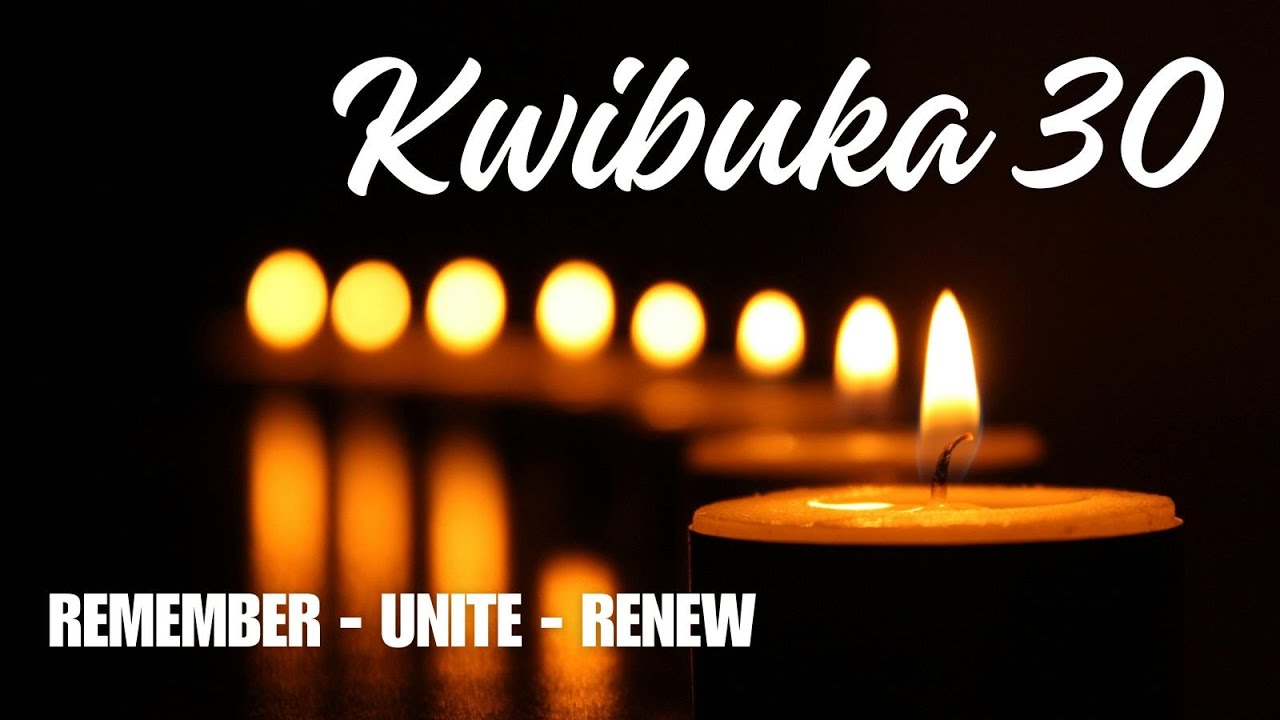
30 years after the genocide, Rwanda, a country determined to rise from its ashes, has come a long way.
The related memories that jostle in my mind also go back a long way. A few years after my first visits to Rwanda in the mid-1980s, to the African institutions the alarm in 1990 on the serious and massive violations of human rights perpetrated in this country. Four years later, on April 1, 1994, I found myself in Mulindi, a village on the Rwanda-Uganda border from where Paul Kagame led the Rwandan Patriotic Front during the Rwandan Civil War. The next day, April 2, I was the last foreign visitor to be received by Rwandan President Juvénal Habyarimana in his palace. Just before me, the president met David Rawson, the United States Ambassador. After our meeting, President Habyarimana flew to Gbadolite, stronghold of Zairian President Mobutu Sese Seko, before continuing to Dar es Salaam, Tanzania. I left Kigali on April 4. On April 6, 1994, returning from a regional meeting in Dar es Salaam where the Rwandan Head of State had agreed to set up the transitional institutions provided for by the Arusha Accords which put an end to the civil war in his country, the Falcon 50 carrying him, and Cyprien Ntaryamira, President of Burundi, was shot down above Kigali airport by a missile. The death of the aircraft’s occupants triggered the genocide against the Tutsi in Rwanda, the killings of supporters of the Arusha Accords who were opposed to the extremists Hutus, and the resumption of the civil war.
From April 7, 1994, the genocide against the Tutsi in Rwanda unleashed one of the bloodiest orgy of killings of the late 20th century. It was sheer madness.
As if I was a character in a novel by Joseph Conrad, I can never chase away these memories, having found myself, yesterday and today, immersed in a career and activities, that notably had the Rwanda tragedy as background, and its victory as inspiration. Among other activities in relation to this predicament, after having served as Secretary-General (1990 -2000) of the Geneva-based International Commission of Jurists, UN Secretary-General Kofi Annan appointed me in January 2001 as the Registrar of the International Criminal Tribunal for Rwanda (ICTR). In July 2012, I became UN Secretary-General Ban Ki-moon’s Special Adviser on the Prevention of Genocide. After retiring from the United Nations a few years ago, I founded the Pan-African Alliance for Transparency and the Rule of Law (PATROL-AFRICA), whose objective is to promote transparency and respect for rule of law and act as an engine of development.
On the 30th anniversary of the genocide against the Tutsis, committed close to the heart of Africa in this country of rare beauty and great socio-anthropological significance, the family of nations must do everything to accompany the Rwandans, support the victims, so that this genocide becomes a well-known lesson for humanity, and so that the Rwandans themselves can continue to refine their reconciliation.
We must congratulate the governance which has achieved the feat of transforming a land that emerged from a terrible tragedy into a country where it is good to live today. Beyond the remarkable physical, infrastructural and economic reconstruction, hearts and minds that had been poisoned by hatred must continue to heal. The genocide against the Tutsi in Rwanda was perpetrated on the scale of a country, but also on the scale of a village, sometimes on the scale of a hill or on the scale of a family, even within a couple.
This peace of hearts and minds, this peace in the cities and in the hills, is necessary. It will still take time. Just like the return to the country of exiles or those who fled will take time. And justice, in this context, will continue to be a necessary ingredient for peace to be lasting and rooted in hearts, in the deep and positive transformation of Rwanda and its citizens. Thus, through forgiveness, speech, conversation, thanks to the end of silence, and with the manifestation of the truth, peace will be anchored more deeply, at the socio-anthropological level, in the spiritual space and on the political field, among Rwandans.
Moreover, peace in the sub-region, particularly in eastern region of the Democratic Republic of Congo (DRC), also seems to be essential to this equation of hope. The nations of the Great Lakes region, Rwanda, DRC, Burundi and others, all deserve peace. This conflict in eastern DRC threatens to further destabilize the region, with a negative impact on reconciliation in each of the countries concerned.
It is therefore crucial that peacemaking, diplomatic efforts and mediation initiatives be strengthened to promote stability in this devastated region. Renewed military tensions and the persistence of rebel groups activities are fueling insecurity and distrust while worsening a humanitarian situation which was already catastrophic. Let us all work to put out this fire in the heart of Africa because an investment in the peace of one is an investment in the peace of all.
PATROL is ready to support all national, regional and international entities in the sub-region inaddressing numerous challenges. Indeed, some of the fugitives wanted for their involvement in the genocide must be apprehended and judged. It is necessary to guarantee justice and responsibility towards victims and survivors, in particular by ensuring the strengthening of the duty of remembrance, and the care of aging survivors, which requires efforts and investments commensurate to the extraordinary amount of pain these events inflicted on the corpus of a country, at the national and individual level.
Notwithstanding the remarkable efforts of the Rwandan government, it must be recognized that the genocide of 1994 against the Tutsis in Rwanda left deep wounds in the social fabric of the country. How could it have been otherwise? However, Rwandans have shown the world that it is possible to heal and move towards reconciliation and forgiveness.
I can testify, as its former Registrar, that the ICTR played a crucial role in prosecuting the perpetrators of genocide, the most horrendous crime and other atrocity crimes. Although justice can never completely erase the suffering, it allows survivors to see that the perpetrators are held accountable. On the ground, in Rwanda itself, the Gacaca courts, set up at the local level, also allowed victims to learn the truth about the death of their loved ones and gave the culprits the opportunity to confess their crimes and request forgiveness in front of the community.
Furthermore, we must salute the political and community leadership of Rwanda and that of the leaders who set an example by advocating peace, tolerance and understanding. Healing the wounds of the genocide against the Tutsi in Rwanda is an ongoing process. Rwanda, its Head of State, government and community elites have shown that human resilience can triumph over the darkest tragedies.
PATROL welcomes the victory of the Rwandan people over adversity and horror and is committed to supporting peace and reconciliation efforts in the sub-region. Let us forever stop the ordinary madness that allowed the perpetration of such heinous crimes. We will not give up, because in the face of humanity, the demons of evil are never far away.
The main lesson that Rwanda teaches us is that in life’s darkest moments, when sorrow envelops men, women, children or nations like a shroud, there is always a glimmer of hope—a beacon that guides the family of nations toward the dawn.
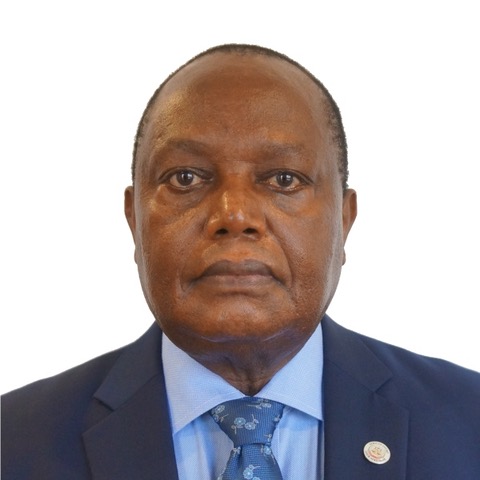
*Adama DIENG
Founding President of PATROL-AFRICA
Former UN Under Secretary-General/ Special Adviser on the Prevention of Genocide