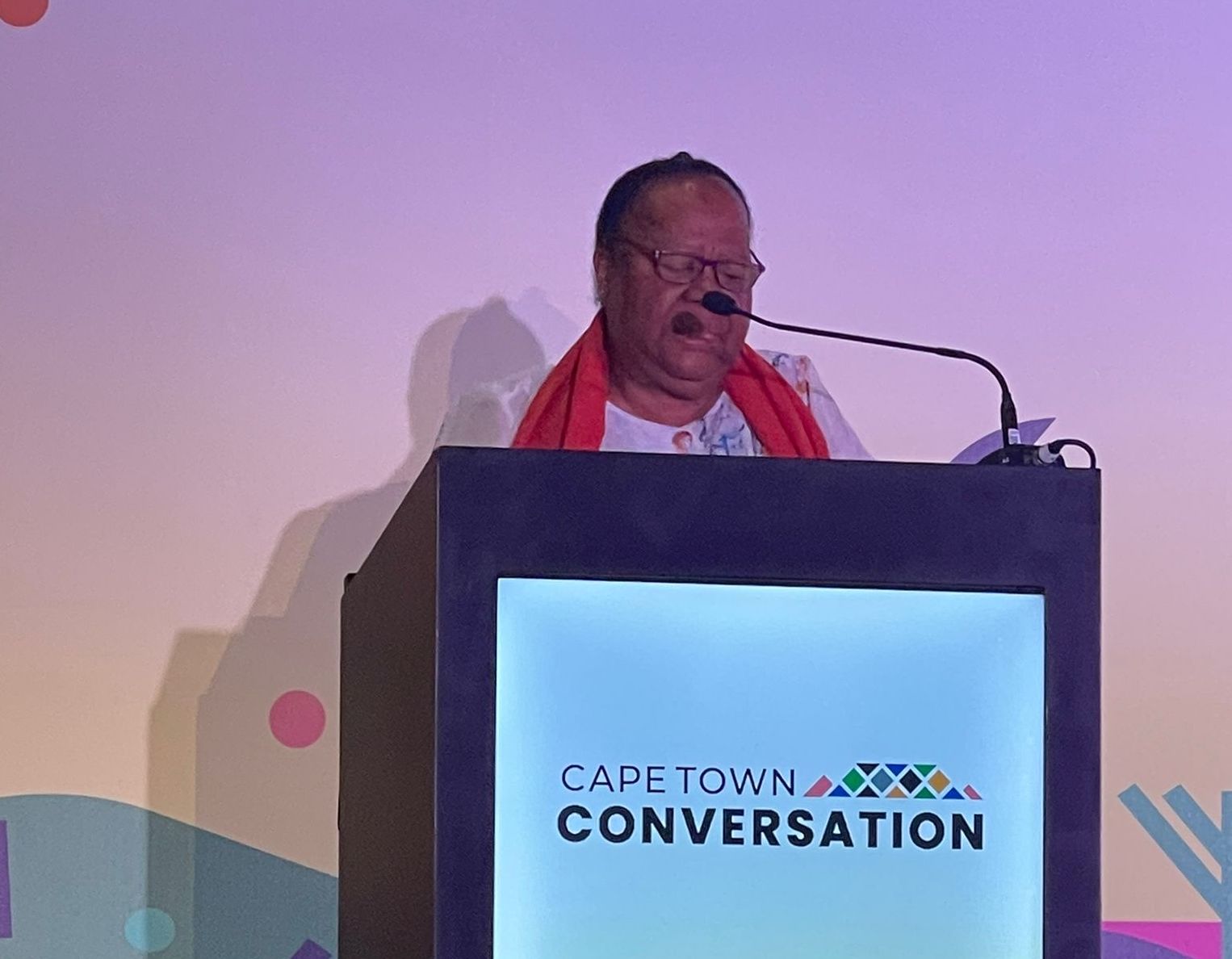
COOPERATION among communities living across borders in African countries could play a major role in addressing violent conflict on the continent, participants at the recent Cape Town Conversation in South Africa have recommended.
In a continent where border societies span different countries, delegates focused on this issue, which they said could be “pathways to conflict resolution” in Africa.
They said that innovative ways must be found to “build and attain resilient communities, grounded in support of peaceful coexistence and interdependence”.
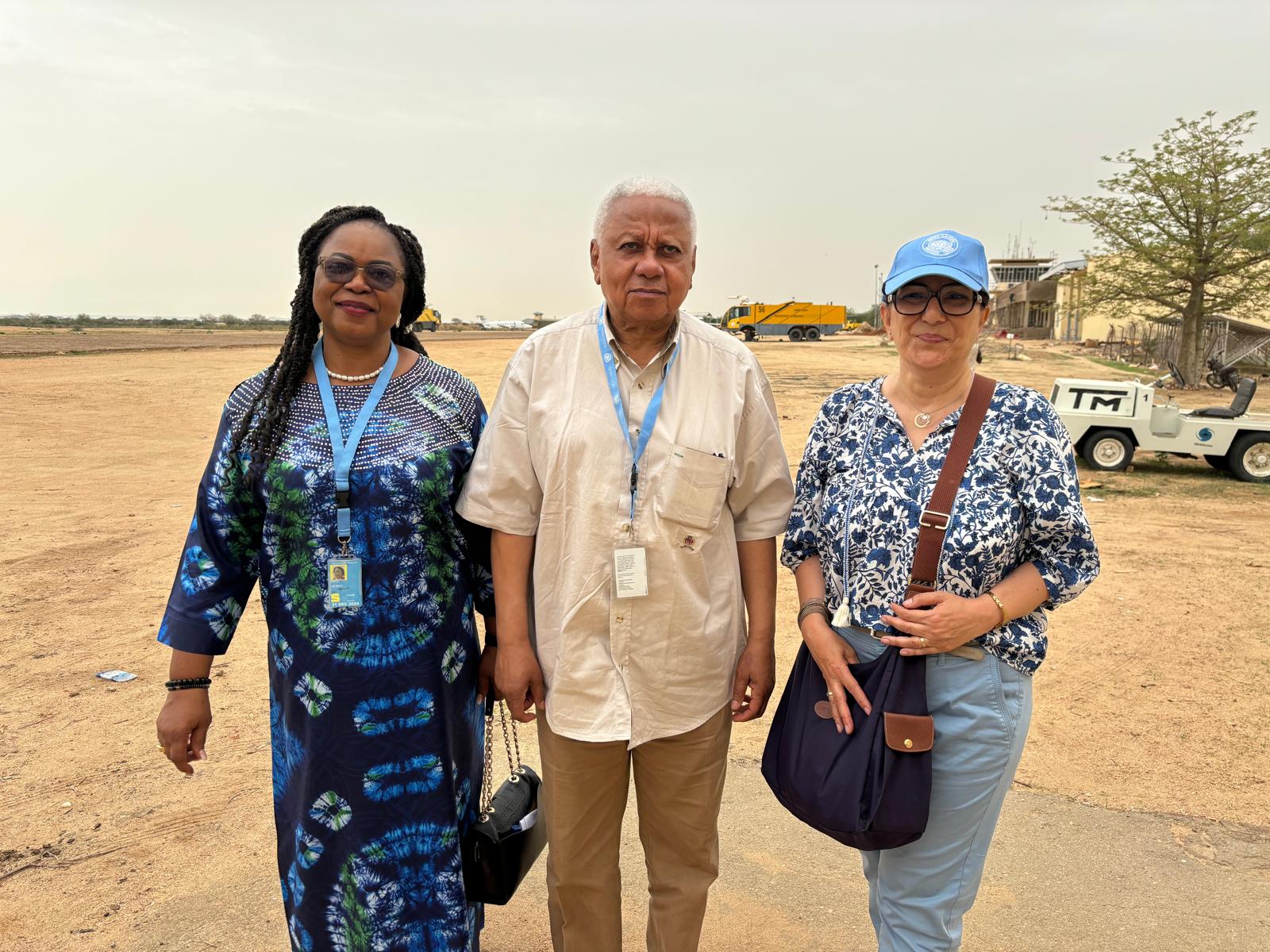
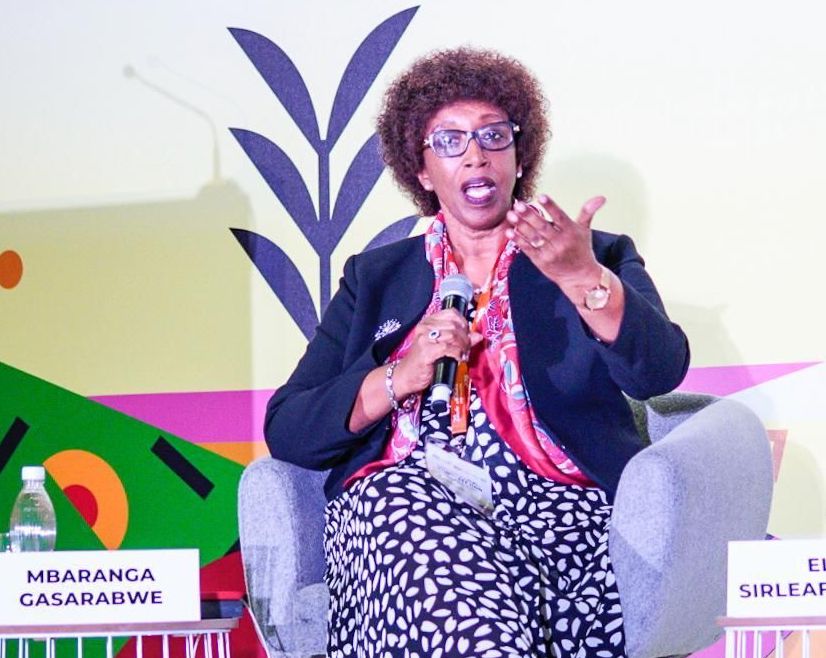
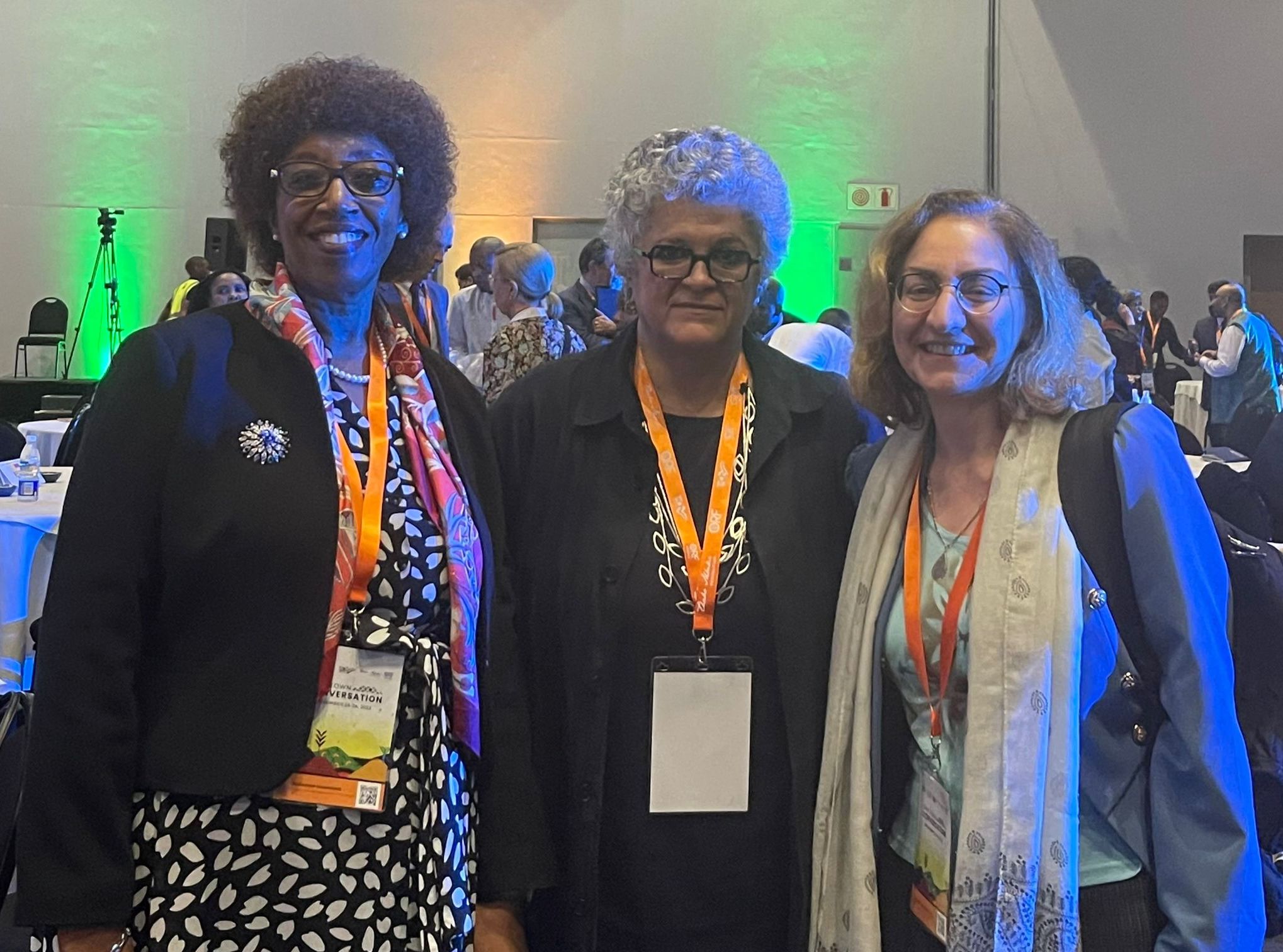
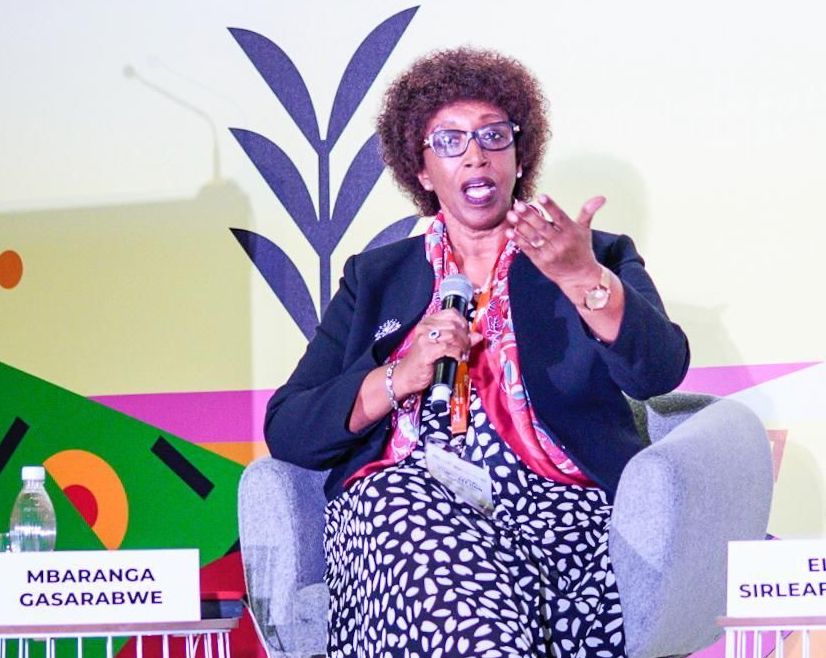
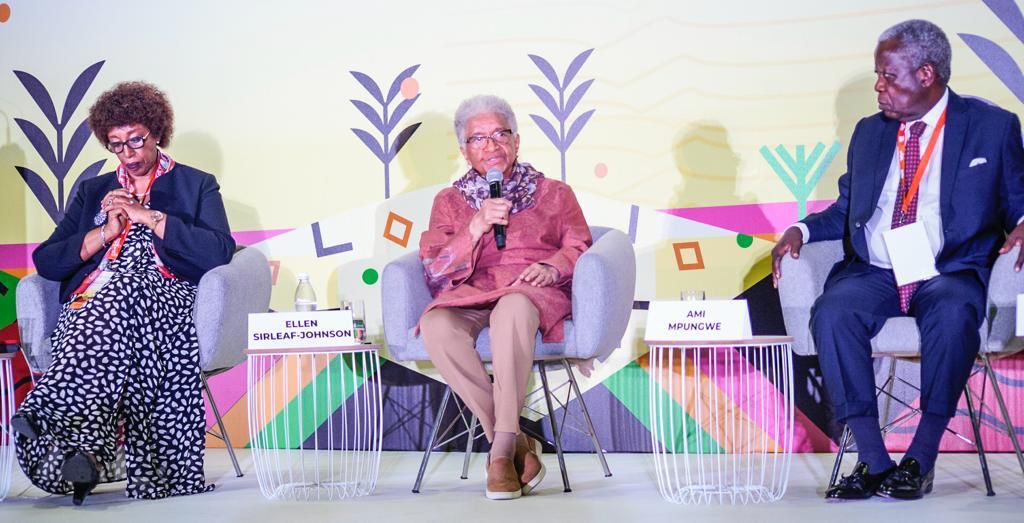
At the Conversation, organised by the Observer Research Foundation, in partnership with other bodies such as the Thabo Mbeki Foundation, PATROL-Africa board member Mbaranga Gasarabwe joined other participants, including the former President of Liberia, Ellen Johnson Sirleaf, for the annual event.
Ms Gasarabwe, also representing the Global Women Leaders Voices for Change and Inclusion, and other participants looked at the state of multilateralism and global governance.
The contribution of African countries in the design of a new, inclusive and effective global governance framework was also discussed.
Global interconnectivity was also highlighted, given, as participants pointed out, that “in a world interconnected as never before, the intricacies of global conflicts demand innovative solutions that transcend borders”.
Speakers called for the need to critically examine challenges of fragility and sovereignty, particularly in Africa, along with the factors that affected its economic development.
Several of them noted that countries today had to navigate the “complexities of conflicts that traverse geographical and political boundaries”.
In this regard, participants agreed that there must be “inclusive negotiations to regional alliances in dismantling barriers, fostering understanding and cultivating a future of harmonious coexistence”.
Also discussed was the role of women in building inclusive and sustainable development models that address and respond to issues that affect society.
It was recognised that women were an “integral and indispensable component of successful development initiatives”.
The importance of green transition and climate justice was also highlighted, with delegates pointing out that those who had contributed least to the climate change crisis were the most adversely affected, exacerbating their vulnerability as a result.
Thus, participants stressed the importance of finding ways to lessen the negative impact of climate change on vulnerable groups such as energy transition and independence.
They agreed that with political and financial commitments, “it is possible to achieve these measures without compromising the ability of countries, especially those from the Global South, to meet basic responsibilities to their citizens”.
The role of big data and innovation was also highlighted and how the Global South could “harness and embrace the same to pursue inclusive and equitable development possibilities that respond to urgent needs and aspirations of their people”.
The Cape Town Conversation reaffirmed the importance of equal partnership and “multilateralism that is inclusive and considers local solutions to development approach and mutual recognition and respect between the Global North and Global South”